SET YOUR HEAT PUMP WISELY
Keep your thermostat between 18–21°C. Warmer settings use a lot more power. It might need to be a little higher if you have babies or elderly people at home.
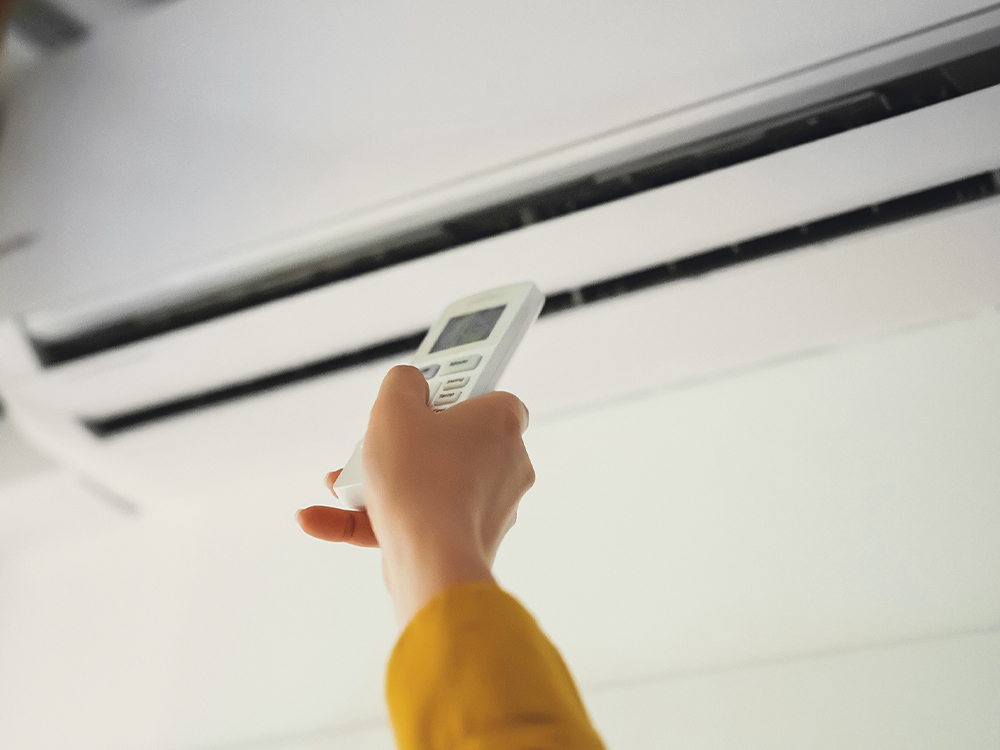
Heating is one of the biggest power users at home, especially in winter. These tips can help you stay warm while using less energy.
Keep your thermostat between 18–21°C. Warmer settings use a lot more power. It might need to be a little higher if you have babies or elderly people at home.
Dirty heat pump filters reduce efficiency. A quick vacuum can improve performance.
Let your heat pump run on ‘auto’ to adjust fan speed and temperature efficiently.
Efficient and fast. They cost more upfront but save power in the long run.
Good for small spaces. Look for models with a thermostat and timer.
Cheaper than gas, but more expensive than heat pumps. Watch out for local regulations around these.
These are less efficient and can add moisture and fumes to your home.
Ceiling, floor, and wall insulation make a massive difference. If you haven’t already, it’s worth checking what you’ve got.
Stop warm air escaping around doors, windows, and unused fireplaces. Draught stoppers and seals can help. Check the cat door too.
If you’re already renovating, upgrading to double glazing can help cut heat loss significantly.
Use timers to pre-warm your home before you wake up or get home. If your heater doesn’t have one, try a timer plug (or a smart plug if you’re feeling tech savvy).
It’s free heat! Open curtains on sunny winter days and close them before dark to lock in the warmth. Trim trees blocking north-facing windows.
Simple and effective. They keep you toasty without using extra power.
Warm PJs and extra bedding can reduce the need to heat bedrooms all night.
Flannel or fleece sheets trap warmth better than cotton.
A quick 10 minute airing in the morning helps reduce moisture and makes heating more effective.
Run extractor fans when using the kitchen and bathroom – and leave them on until the moisture clears.
Avoid drying clothes indoors when you can – one load adds about 5 litres of moisture to your home.
Leave space between furniture and walls, and open wardrobe doors a little to prevent dampness.
They won’t fix the cause of moisture, but they can help reduce it short-term.
Hot water is another major power user. Here are some ways to use less without sacrificing the comfort of a warm shower.
There are lots of small ways to reduce energy use day to day – even from appliances and tech you might not think about.