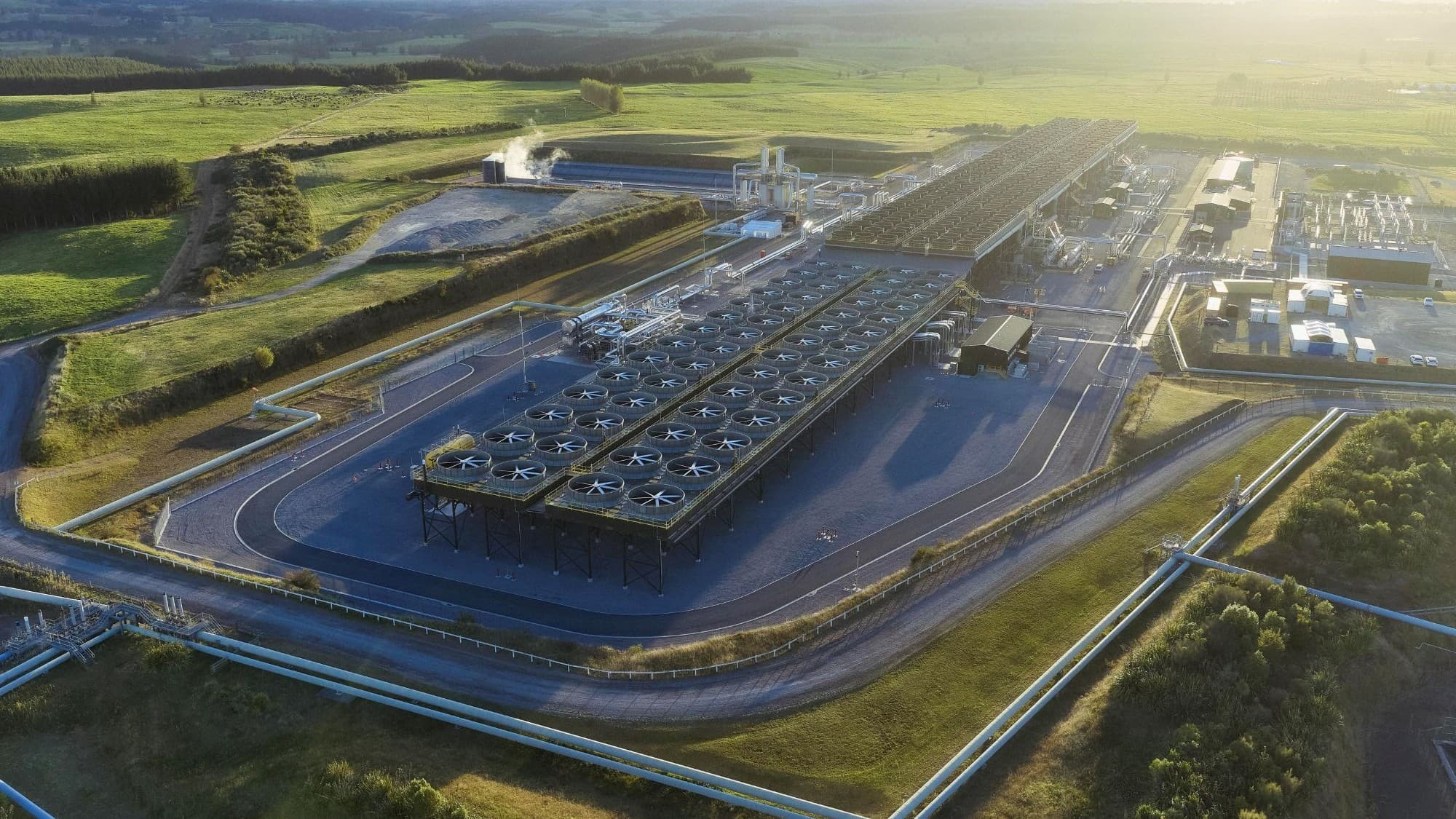
KAWERAU
Located in the eastern Bay of Plenty, Kawerau has a long history of geothermal development starting in 1952. The geothermal field has over 100 wells used by multiple geothermal operators.

We operate five geothermal plants located in the central North Island that power base-load – this means they make power 24/7 ensuring a constant supply of power night and day. Geothermal is a reliable electricity source that is not dependent on the weather, unlike hydro and wind, and is a distinctive strength for Mercury.
Located in the eastern Bay of Plenty, Kawerau has a long history of geothermal development starting in 1952. The geothermal field has over 100 wells used by multiple geothermal operators.

Located on the Mōkai geothermal field, 30km northwest of Taupō. Owned by Tuaropaki Power Company and Mercury.

Located on the Rotokawa geothermal field, 14km northeast of Taupō. A joint venture partnership with Tauhara North No.2 Trust.
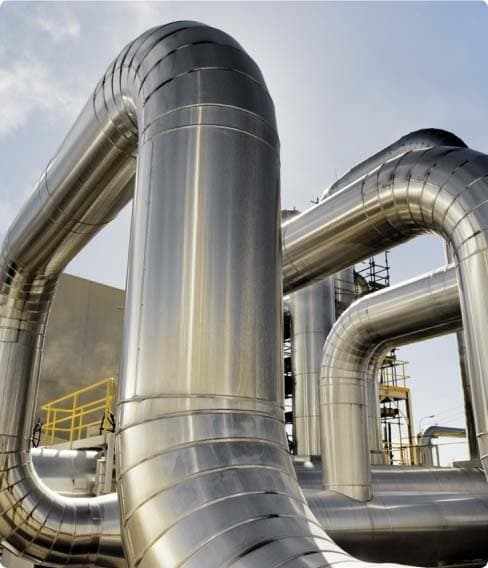
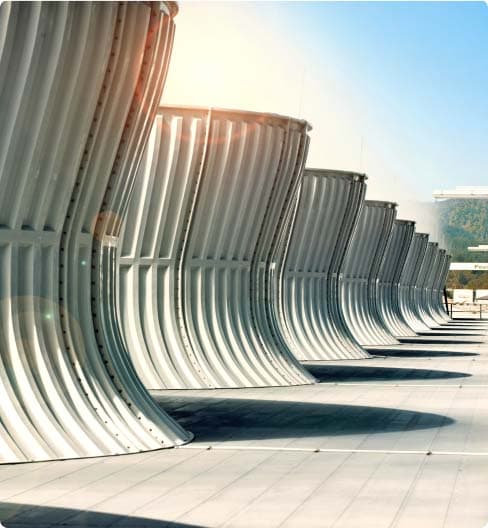
It’s a question of amount. In New Zealand, atmospheric emissions from geothermal plants average only about 10% of the emissions from equivalent sized coal fired power plants.
The five geothermal power stations that Mercury operate are all sustainably managed, and their geothermal fields are monitored to ensure their integrity is protected for the long term. In this way, they are wholly renewable and sustainable.
Yes, carbon dioxide is released when geothermal fluid is brought to the surface to produce electricity. This is monitored across our five fields and the carbon equivalent is offset through the purchase of carbon credits, as required by the Emissions Trading Scheme.
Geothermal fluid contains CO2, methane and hydrogen sulphide. In the natural state (pre-development) these are discharged through natural surface features such as fumaroles and bubbling pools, and less obviously through the soil.
The process of drilling geothermal wells for power generation causes some of the gases in the geothermal reservoir to reach the power plant. Gases (including CO2) become concentrated in steam due to changes in temperature and pressure as geothermal fluids ascend through wells from reservoir depths (of up to 3km) to the surface. The separated gases reaching the station are non-condensable and released into the atmosphere as part of the power generation process.
Geothermal power generation has reduced New Zealand’s dependence on fossil fuels. It is now the second source of renewable power generation, second only to hydro-electric power. New Zealand is ranked 5th globally in geothermal electricity generation. It supplies 17% of our country’s total annual electricity generation and has helped replace non-renewable gas-powered stations.
Deep wells are drilled up to 3km below the earth’s surface to tap into geothermal wells for production, reinjection or monitoring purposes. A lot of science, research and development goes into deciding where we should drill to access the underground geothermal reservoirs. There are two types of wells. A production well is where the steam and water come out from deep below the earth’s surface. A reinjection well is where the cooled geothermal fluid is put back into the ground after it has been used.
It can take about two months for the rig to be set up, drill down, establish a well head and disestablish the rig. Wells have a finite lifespan and scaling with silica, calcium, etc, or corrosion can mean that wells are required to be re-drilled and replaced over time.
Geothermal water not turned into steam to make electricity is returned to the reservoir it came from, via a reinjection well. This helps sustain a geothermal field. It’s important not to drain the reservoir, so it can continue to produce geothermal steam needed to produce electricity.
Binary-cycle geothermal power plants use lower temperature geothermal resources. The geothermal reservoir fluids never come into contact with the power plant’s turbine units. Low-temperature (below 182°C) geothermal fluids pass through a heat exchanger with a secondary, or "binary," fluid. This binary fluid has a much lower boiling point than water, and the modest heat from the geothermal fluid causes it to flash to vapour, which then drives the turbines, spins the generators, and creates electricity.
Flash steam plants use fluids at temperatures greater than 182°C, pumped from deep underground, travel under high pressures to a low-pressure tank at the earth’s surface. The change in pressure causes some of the fluid to rapidly transform, or “flash,” into vapour. The vapour then drives a turbine, which drives a generator.
Geothermal wells have a small surface footprint, while extending deep underground. Short term during the drilling operation there may be higher noise, lighting and dust levels near the drill site, but in each case, this is carefully mitigated and monitored by the on-site team.
We are confident that there is no additional risk of seismic events from drilling wells for geothermal power. GNS Science monitors seismic activity, such as the earthquake swarm recorded near our geothermal power station at Kawerau in March 2024.
Please see here for more information.
Water supply will not be impacted by our drilling operations for geothermal power.
Safety is paramount for staff working around our geothermal power stations. We continue to test and review our safety measures to make sure they are fit for purpose. We are exploring the use of new technology to help keep our sites safe. This includes a trial of an autonomous vehicle to enhance work safety at our Rotokawa Geothermal Power Station near Taupō.