FEATURE
5 October 2026
Nyssa Brewer’s mission turning innovation into emissions reduction
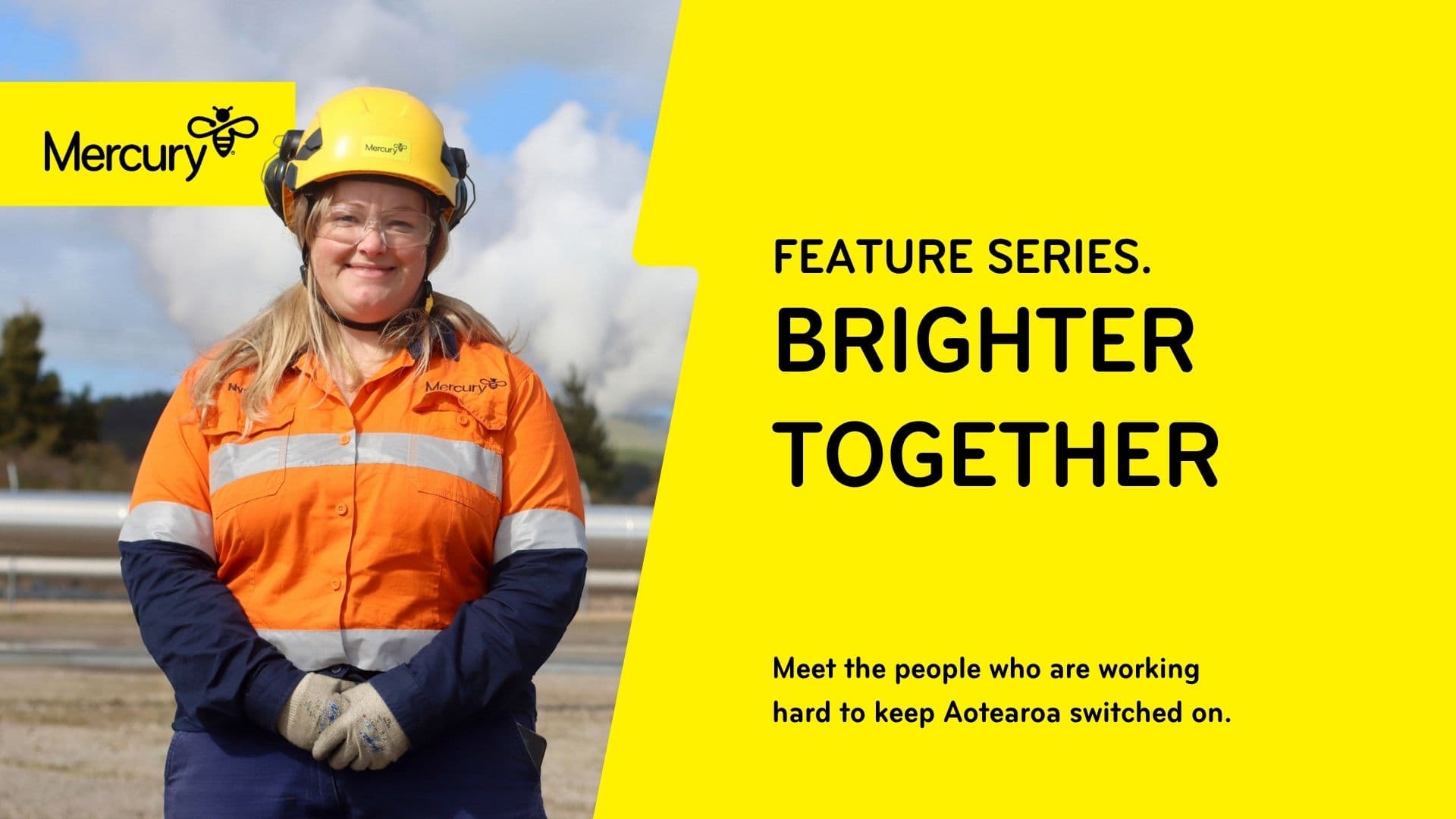
Nyssa Brewer is helping lead Mercury’s long-term efforts to reduce emissions from its electricity generation operations.
She leads Mercury’s Emissions Reduction Programme, working with technical experts, contractors and consultants to identify and evaluate opportunities to reduce emissions.
The programme is initially focused on Mercury’s geothermal sites, where the company is trialling a method to reinject non-condensable gases (NCGs).
NCGs are naturally occurring gases, mainly carbon dioxide and hydrogen sulfide, that are brought to the surface with geothermal steam.
Unlike steam, these gases do not condense back into liquid when cooled during the electricity generation process.
"Developing the capability to reinject those gases into the geothermal reservoir means we don’t have to release those geothermal emissions into the atmosphere.”
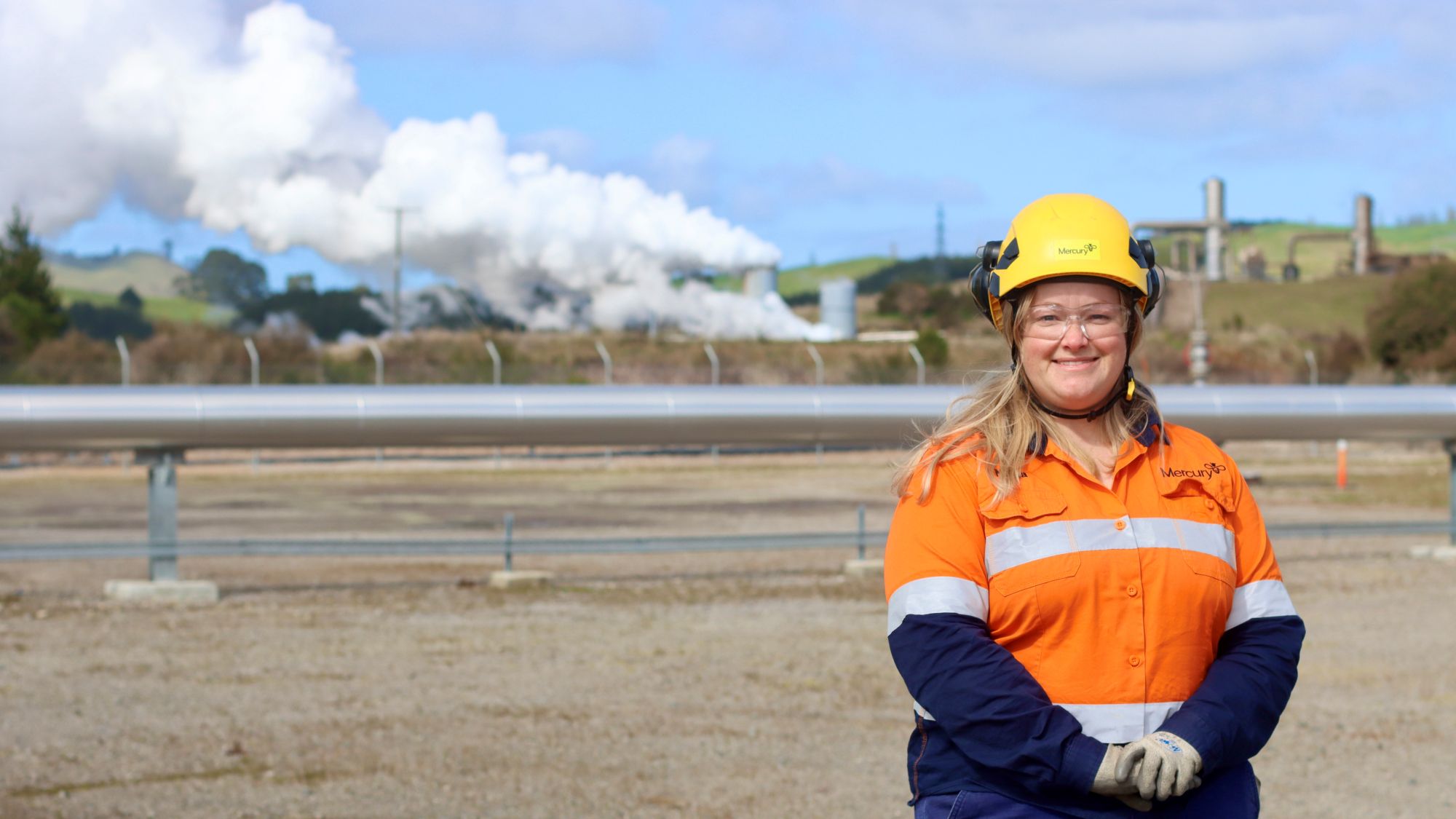
Nyssa is leading Mercury’s Emissions Reduction Programme.
The reinjection process has been used at Ngā Tamariki Geothermal Station, and the team continues to monitor its performance.
"The next step involves conducting feasibility studies to see how we can treat NCGs at our other geothermal sites."
Nyssa said she enjoyed working on a project that supported Mercury’s Kaitiakitanga–Stewardship strategy.
"That's about ensuring our assets and the natural environment thrive together for future generations.
"I also love that through this project, I get to work with smart, dedicated people and every day usually brings something interesting to think about and work on."
Nyssa grew up in Rotorua and had always been interested in the geothermal landscapes around her.
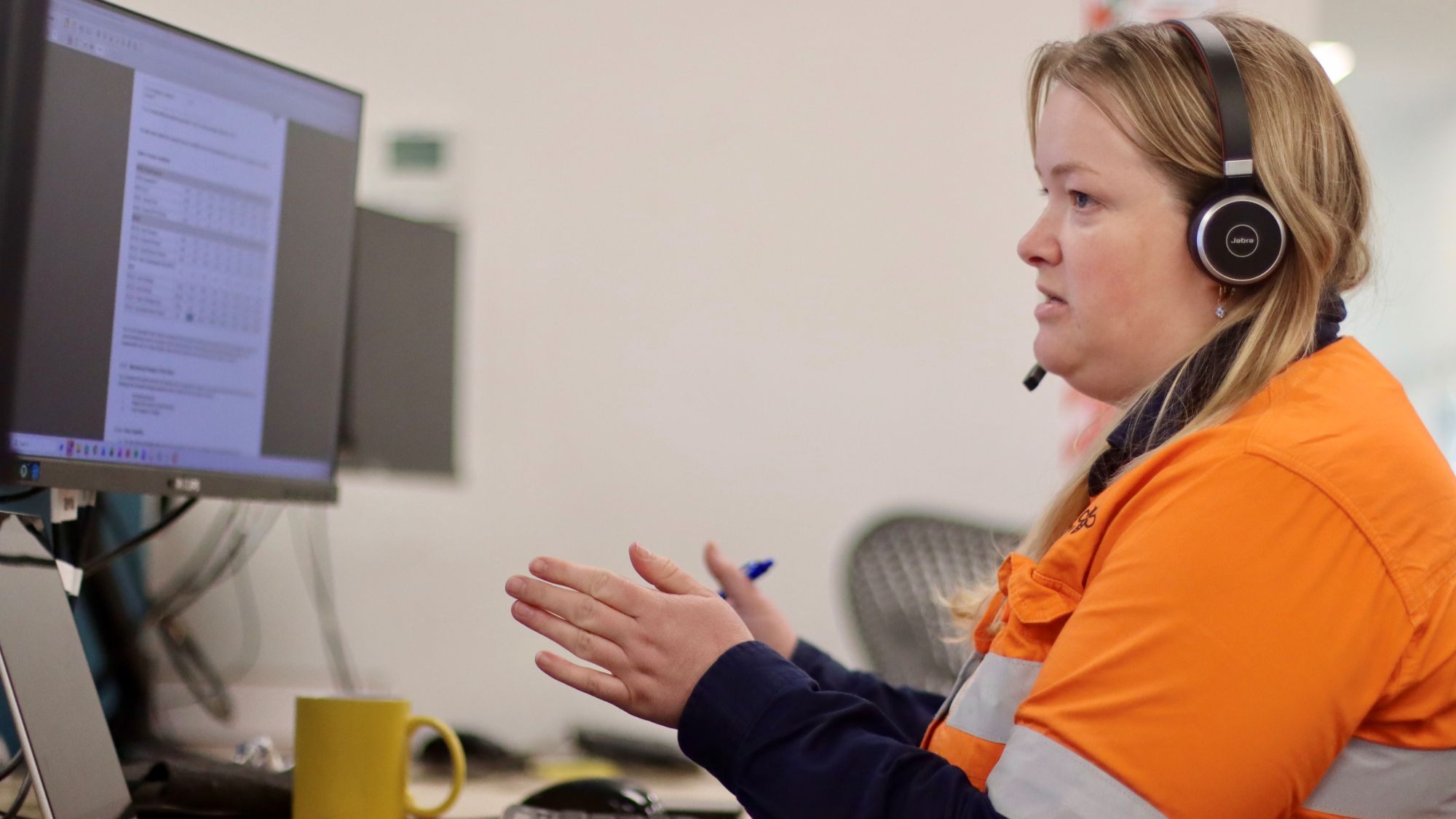
Online meetings in the office and on site visits at various geothermal stations provide plenty of variety.
"After becoming an engineer, I realised geothermal energy and electricity generation were closely connected, and that it was a field where I could combine my career with my values around sustainability and renewable energy.
"I also knew people who worked for Mercury and it sounded like a great place to work."
Nyssa began her career as a graduate process engineer at Oji Fibre Solutions Tasman Mill in Kawerau before joining the Mercury team in 2021.
She works out of Mercury’s Rotorua or Taupō offices and also enjoys working from any of Mercury's five geothermal stations.
"Being on site is just a great way to network with people and find out what's happening; generation sites are like the heartbeat of the business, it's where it all happens."
She envisions a long career with Mercury and would like to continue down a leadership pathway.
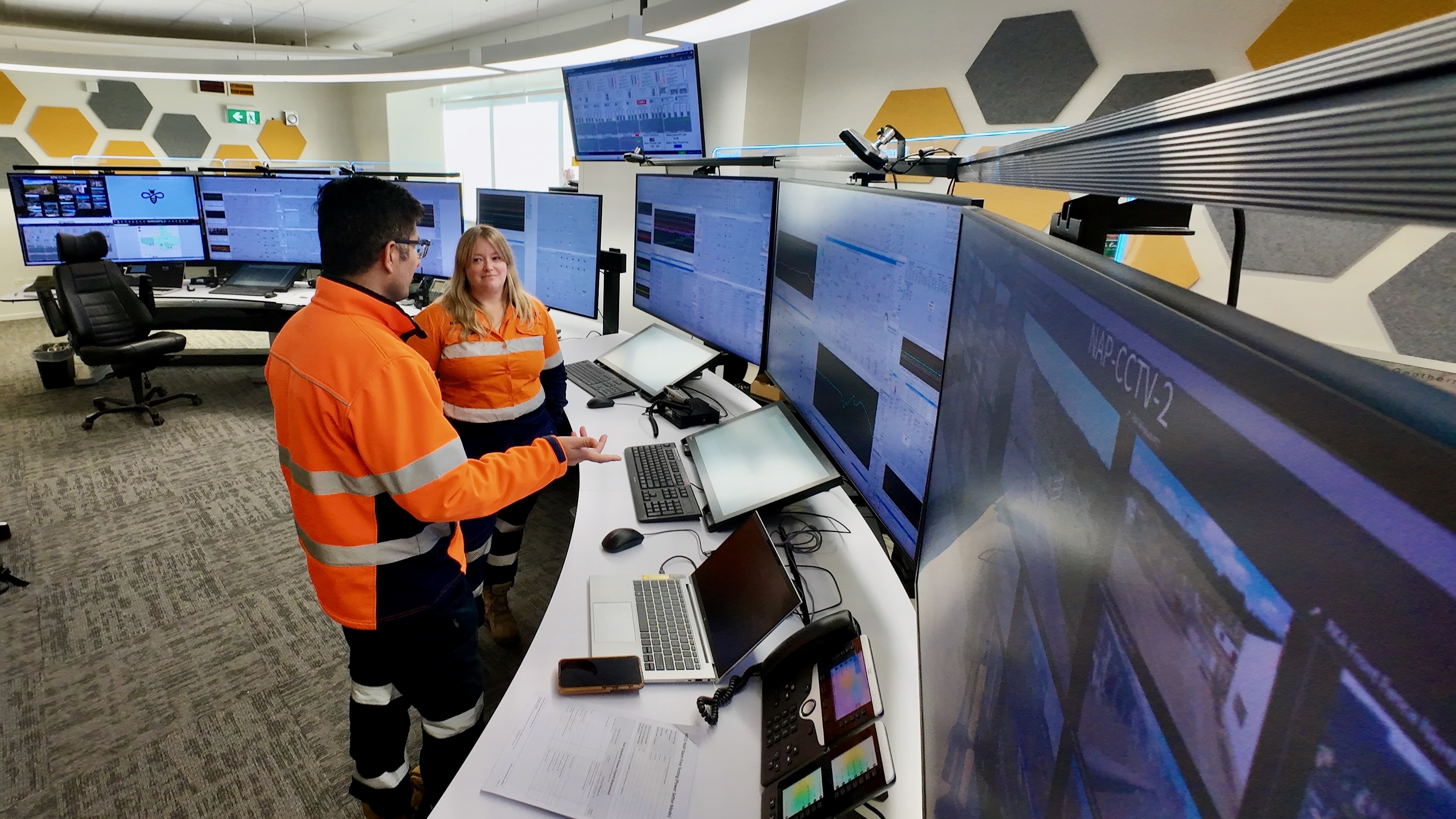
Nyssa in the Ngā Awa Pūrua Geothermal Station control room with geothermal controller, Nitish Joshi.
"I would like to see more women encouraged into engineering, maintenance, operations and leadership roles in the Generation industry.
"At Mercury, we have some great female leaders like Emily Collis and Jane Ganley who are in our Generation Leadership Team.
"They are people to look up to and aspire to, but I think there is still room for improvement."
Nyssa also leads the Women in Geothermal NZ chapter and would like to look back and know that she had contributed to improving the diversity and inclusion of the industry over her career.
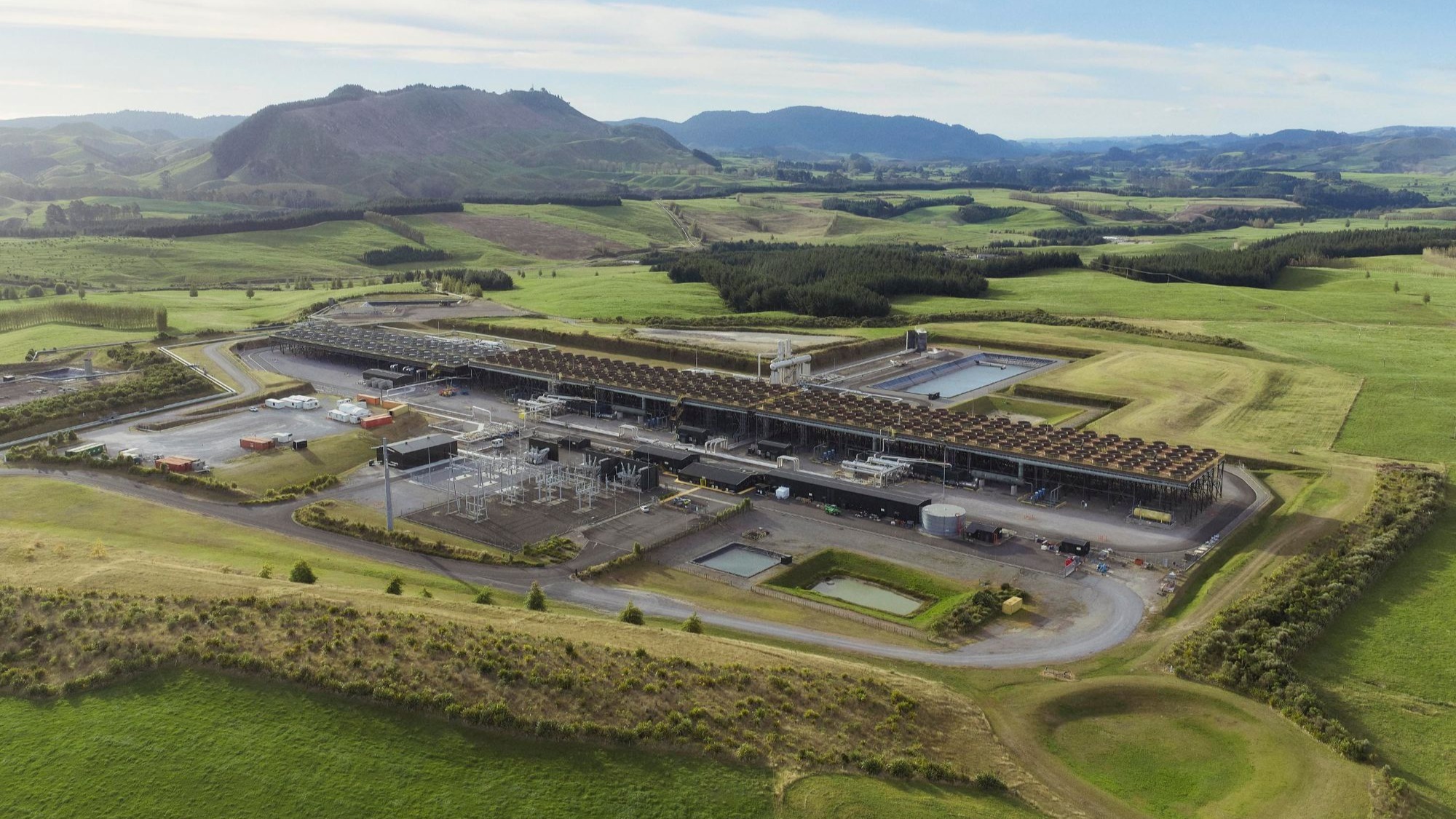
Ngā Tamariki Geothermal Station where Mercury is trialling a method to reinject non-condensable gases.
She believed Mercury was well positioned to encourage more people into the energy industry.
"People generally pursue careers they can see and understand, so it's important we partner with schools, universities and the communities we operate in to show the real breadth of careers in our industry.
"That's from geoscience, engineering and operations to project management, health and safety and trade roles.
"Making these opportunities visible and relatable will provide the inspiration people need to follow a pathway towards a career in Generation."
Read more stories in our Brighter Together series.