MERCURY NEWS
29 June 2026
Mahinerangi Wind Farm marks 15 years powering New Zealand
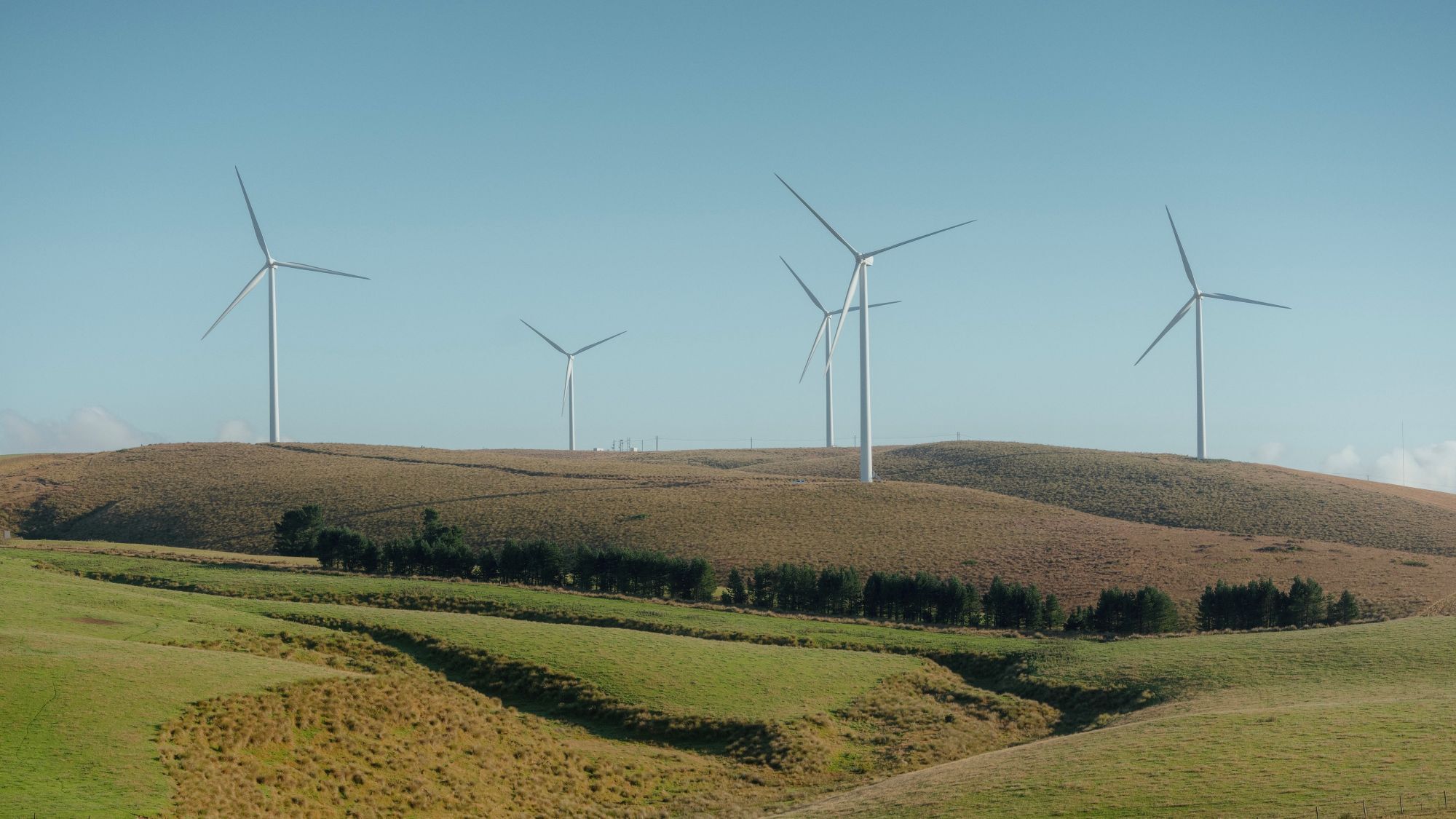
Mahinerangi Wind Farm is on the eastern foothills of the Lammermor Range in Otago. Photo: Stephen Wells
A pioneer in New Zealand's wind energy development has just powered past its 15th birthday.
Mahinerangi Wind Farm began generating electricity for the country in February 2011 and was fully commissioned in March that year.
Since then, it has produced enough electricity to power about 14,000 homes every year since its blades started turning on the hills above Otago's rural landscape.
The wind farm was a $70m investment developed by Trustpower and is now operated by Mercury.
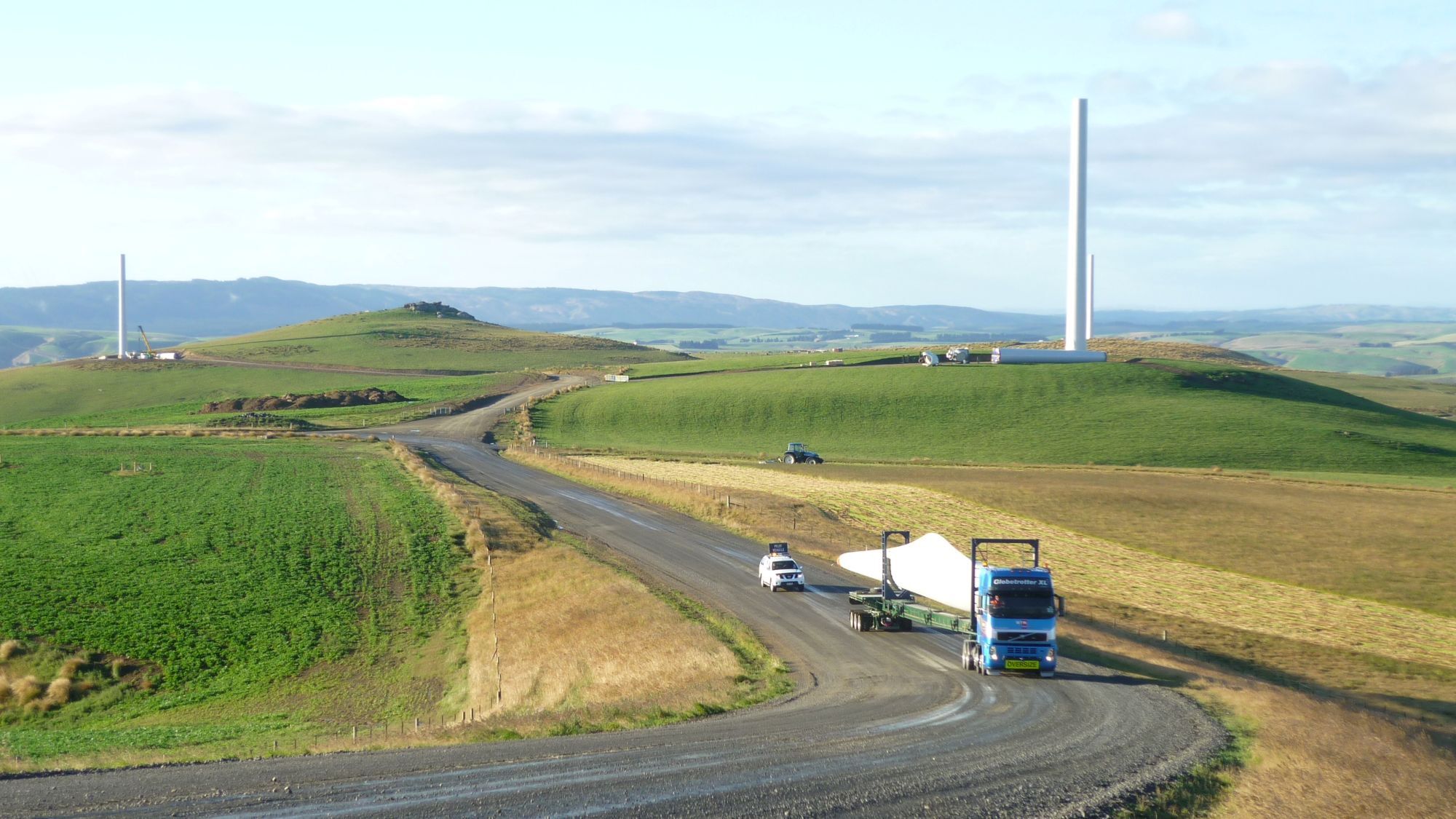
Transporting the turbine components to site when the wind farm was constructed between 2010-2011.
Mercury Head of Operations – Generation, Emily Collis, said Mahinerangi helped establish large-scale wind generation in the South Island.
"Mahinerangi has been a high performer; it sits between 600 and 730 metres above sea level, which gives it access to strong, consistent inland Otago winds not available closer to the coast."
The wind farm is powered by 12 Vestas V90 turbines, each rated at 3MW, and it has a total installed capacity is 36MW.
Annual average generation is between 100GWh and 113GWh; total production since commissioning is 1653GWh.
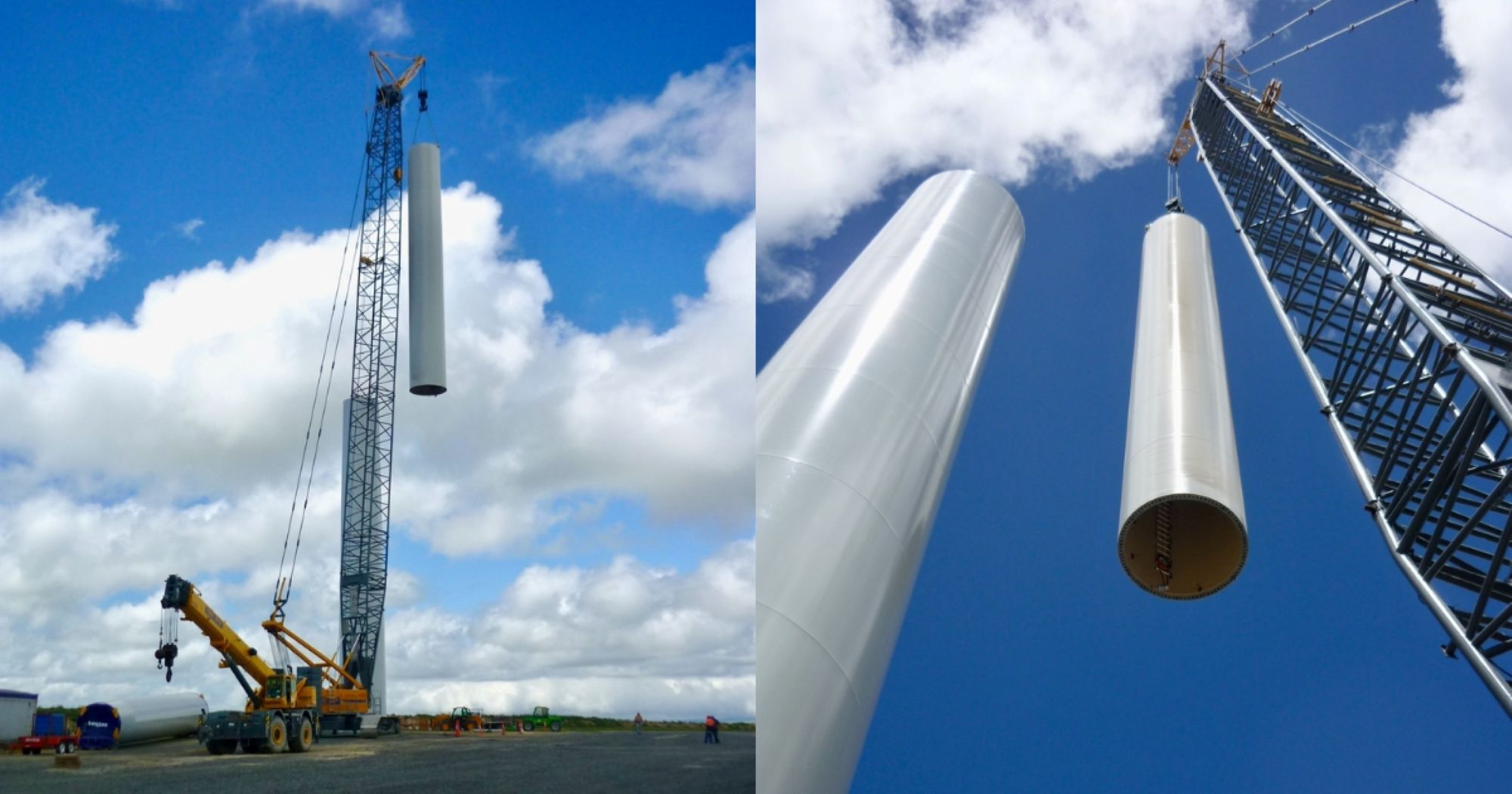
Assembly of the towers at the wind farm in 2011.
It was built near major hydro stations so wind generation could complement hydro output, helping smooth renewable supply during dry or windy periods.
The top-performing turbine at Mahinerangi has recorded 143GWh since the wind farm began generating energy in 2011.
That’s enough to power about 1100 homes every year from a single turbine.
"There is only a small difference between the top and lowest-performing turbine at Mahinerangi, which speaks highly of the geographical layout of the turbines and terrain."
The wind farm’s site availability, that’s the percentage of time the wind farm is able to operate and produce power, has been 97.8% since it was commissioned
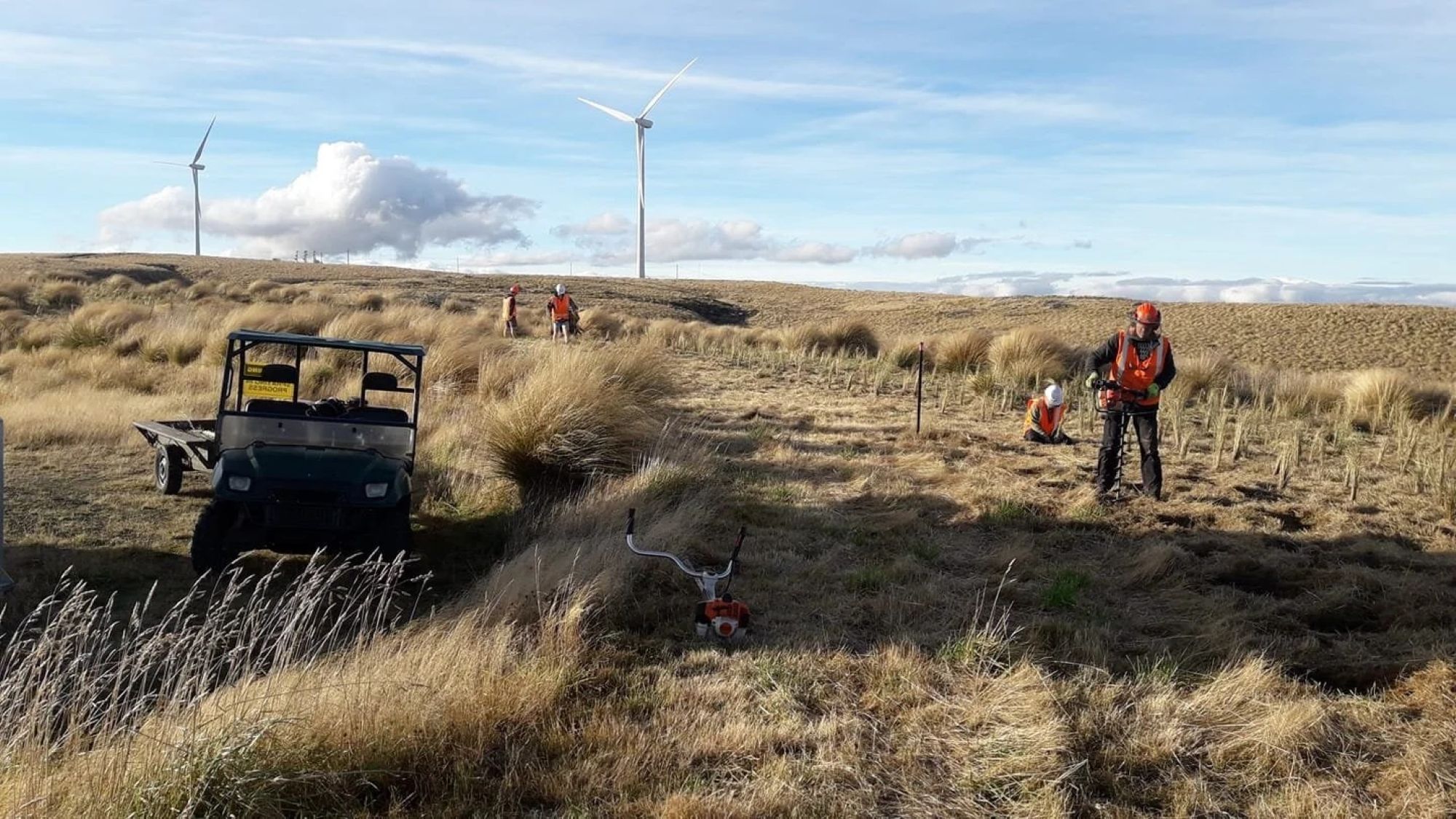
The Monowai Ecological team managed tussock rehabilitation at the wind farm when it was constructed. Photo: Monowai Ecological
Tussock restoration
One of the most tangible environmental initiatives at Mahinerangi has been large scale tussock restoration following turbine construction.
Native tussock communities were rehabilitated using plant translocation, rather than simple reseeding.
Around 10,000 native tussock plants were lifted, stored, and replanted across about 2 hectares.
This work occurred within a QEII covenanted area, providing long term legal protection for the restored habitat.
Upland tussock ecosystems in inland Otago regenerate very slowly. Plant transfer significantly accelerates recovery and helps maintain indigenous plant genetics.
The restoration was implemented by Monowai Ecological on behalf of the project developers, with assistance from Lee Stream School.
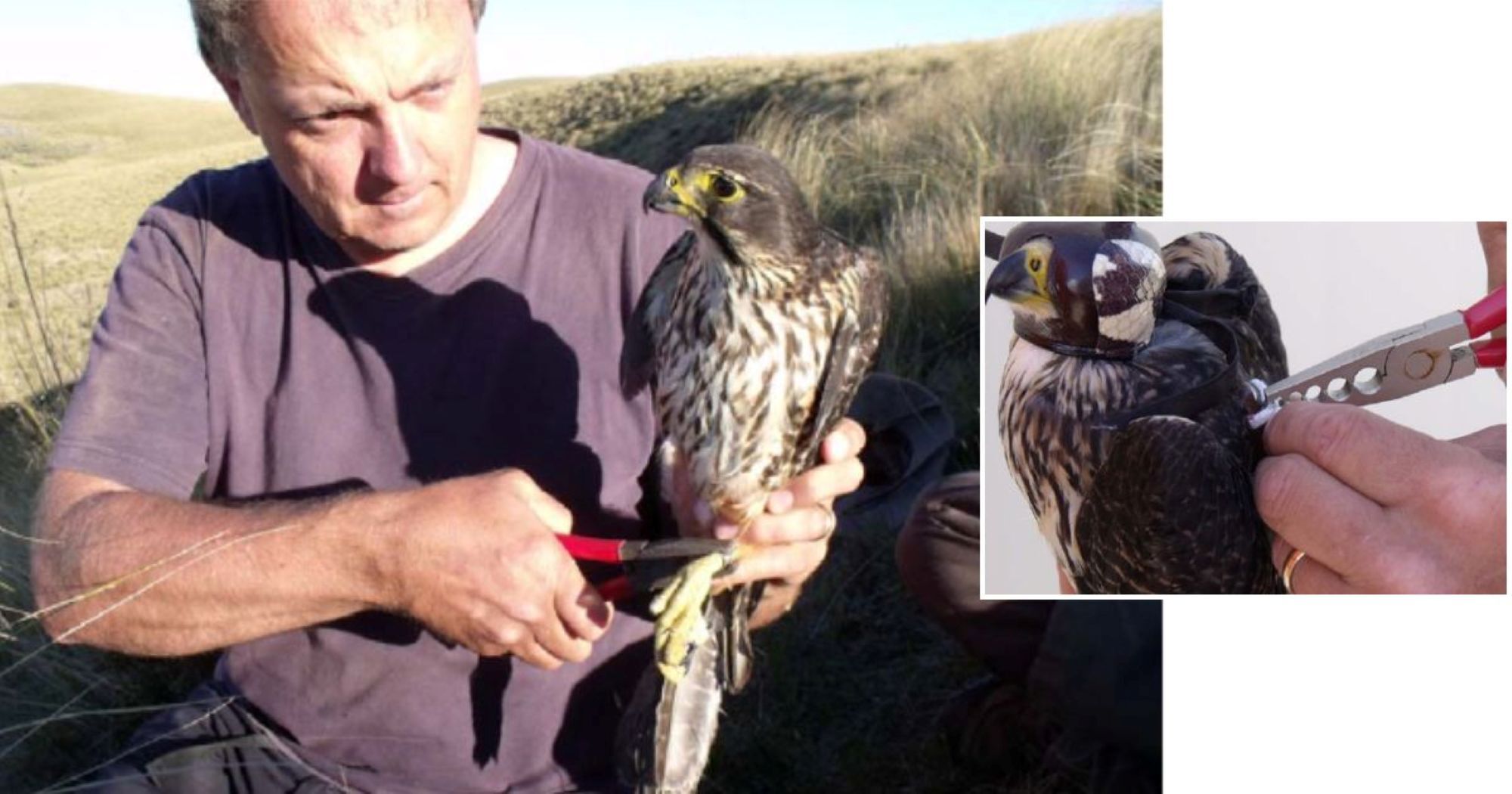
Left: Attaching a metal ID band to an adult female kārearea as part of the bird monitoring programme prior to wind farm construction.Right, inset: Attaching a transmitter to a male kārearea.
Bird monitoring
A multi-year bird monitoring programme was required as a consent condition for the wind farm, with a focus on the kārearea (New Zealand falcon), classified as threatened–nationally vulnerable.
Researchers gathered baseline data on falcon behaviour before construction, using radio transmitters to track movements and flight paths.
Monitoring continued once the turbines became operational to assess changes in behaviour, habitat use, and collision risk.
Falcons were found to continue breeding successfully during construction, with tracking showing they were able to avoid turbines. No falcon deaths have been recorded over 15 years of operation.
Ongoing environmental work at the site includes pest and weed control, ecological monitoring, wetland protection, and freshwater habitat enhancement.
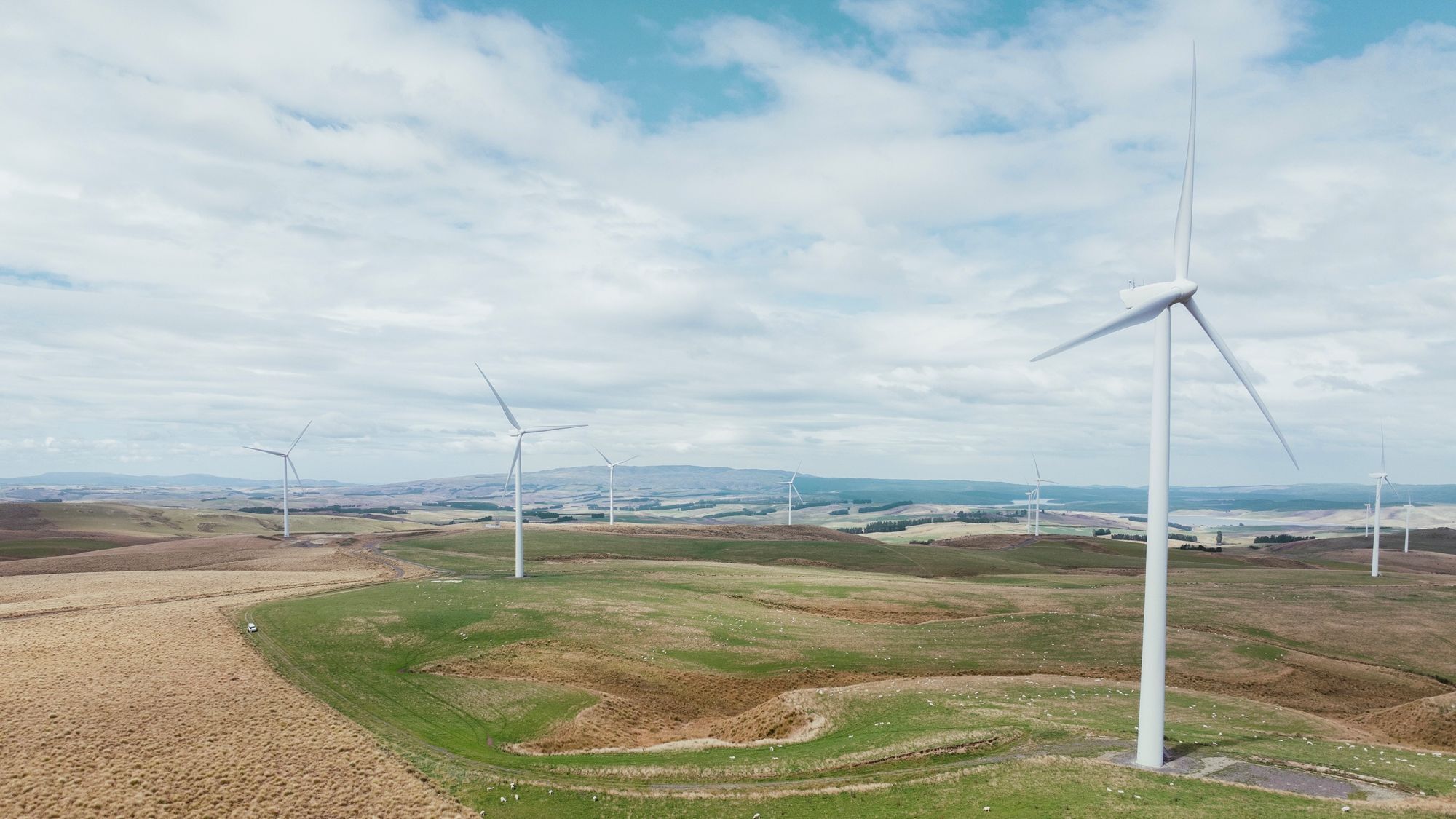
The wind farm provides an income for land owners while allowing for farming operations to continue. Photo: Stephen Wells
Wind farm partnerships
The wind farm was built on privately owned pastoral land, where sheep and cattle farming continue alongside turbine operation.
Landowners entered into agreements allowing access for investigation work, construction and long-term access, and providing long‑term income streams while retaining farming use.
This model was deliberately emphasised during consenting as a way of keeping economic benefits local and supporting rural resilience.
Next stage in development
"Mahinerangi was a bit of a trail blazer, not only for wind energy development, but for the way we look after the environment, our partners and landowners around a wind farm," Emily said.
"This experience has set us up well for future wind energy developments."
Mercury has lodged a substantive application to the Fast-track Approvals Act 2024 to construct Stage 2 of the Mahinerangi Wind Farm, which will be known as Puke Kapo Hau.
"If approved, Puke Kapo Hau will benefit from 15 years of wind farm operational experience and environmental monitoring undertaken as part of the original wind farm.
"It will use existing site access, and some infrastructure developed for Stage 1, helping to reduce costs and environmental impact.
"The site’s location in Clutha District and proximity to Dunedin, Balclutha, and Gore means we may be able to draw on regional suppliers and skilled labour which helped build the original Mahinerangi Wind Farm."