
Elliott's story
Elliott Crimp was three when meningitis saw him flown to Starship. What followed would shape not only his childhood, but the way he approaches challenges today.

See how Starship and Mercury helped Crissy grow from little into big.
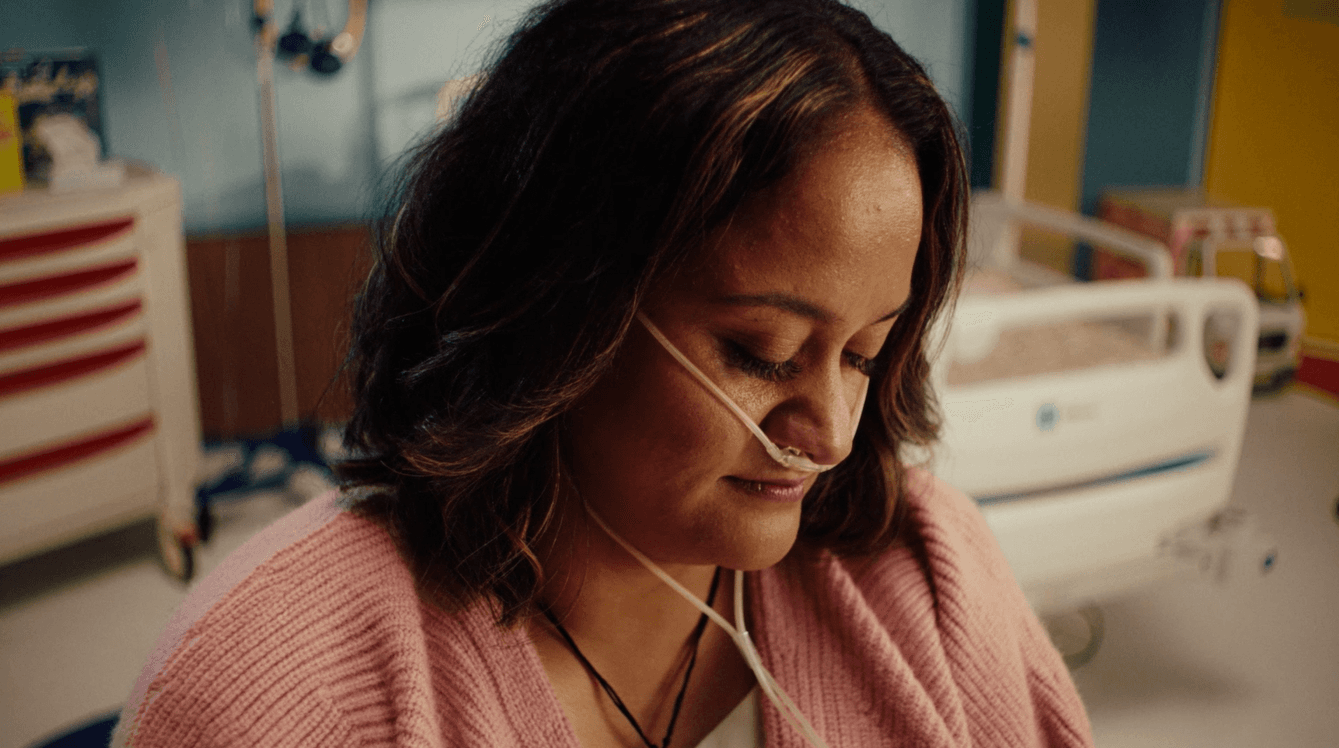
At 11 years old, Crissy was on holiday when she was airlifted from New Plymouth to Starship on Christmas Day and put into an induced coma due to a rare lung condition.
On New Year’s Day, which was also Crissy’s birthday, her family gathered to turn off her life support. They’d brought balloons and presents and planned to sing to her before saying goodbye. But instead, Crissy woke up. It was her 12th birthday.
During her recovery, Starship became a second home. Crissy knew everyone, and everyone knew her. Nurse Rachel would try to make sure she could stay in her favourite room on 26A, where she remembers looking out over the city skyline at the purple sunsets. At a time when everything else felt uncertain, that view and the people looking after her gave her somewhere to feel safe.
For some time, Crissy couldn’t talk, so she began writing in a journal that her family and friends had written in too. Among its pages were messages they’d written when they thought they were saying goodbye to her. But Crissy is still here, which she thinks says something about who she is. Maybe it’s resilience, maybe it’s stubbornness. Probably a bit of both.
Throughout her time at Starship, the people looking after Crissy never let her believe that being sick was all she was. They encouraged her to play sport, do Kapa Haka and get out there and be a kid. She thinks that little girl never really left her, and she’s spent her life refusing to let her condition tell her what she can and can’t do. Today, she has a beautiful family of her own.
When Crissy thinks back to that little girl pushing her IV pole around Starship and refusing to sit in a wheelchair, she thinks she’d be pretty amazed by just how far she’s pushed it.
Elliott Crimp was three when meningitis saw him flown to Starship. What followed would shape not only his childhood, but the way he approaches challenges today.
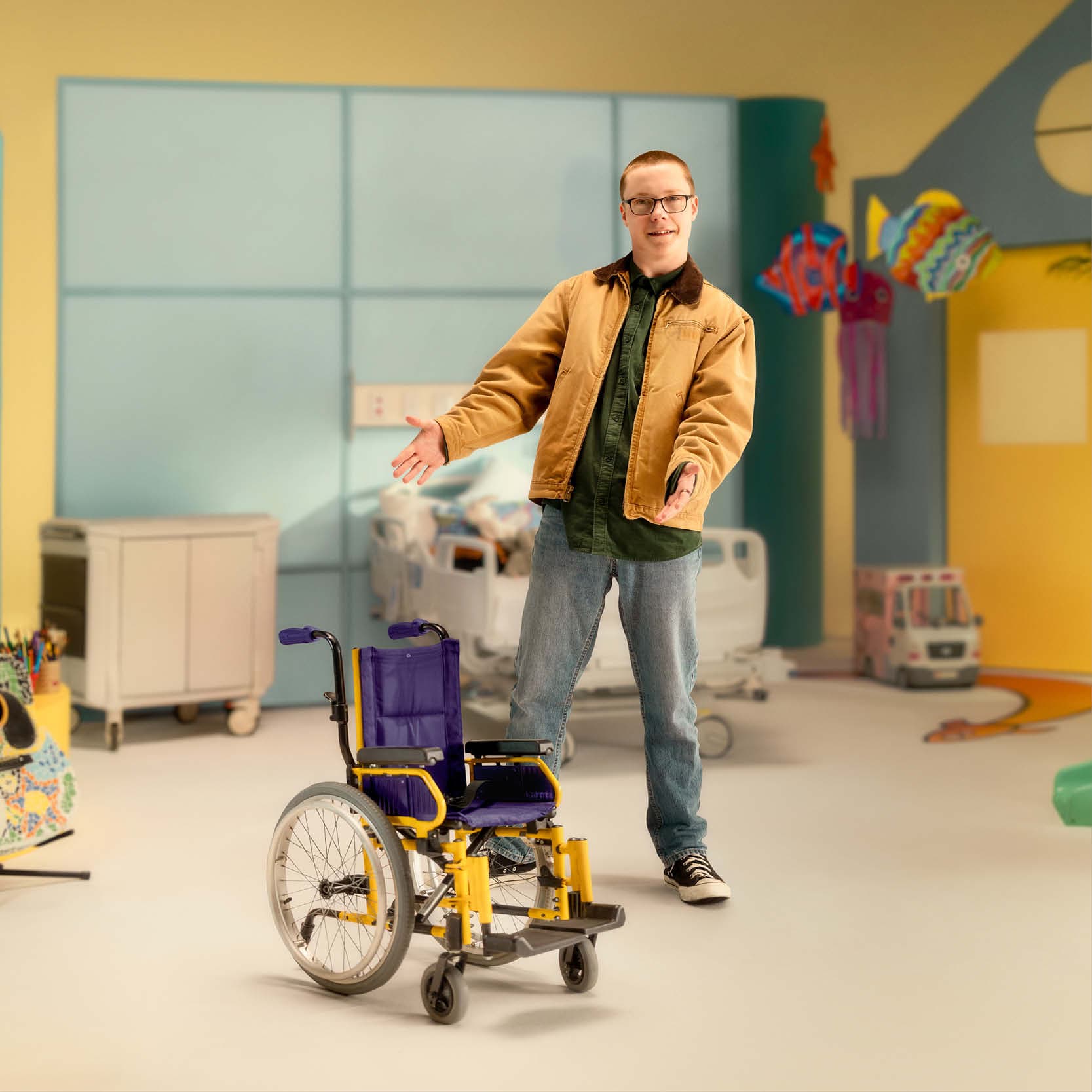
By 13, David Dirks was in serious heart failure and couldn’t run 20 metres without struggling to breathe. Then, after 321 days of waiting, came the news that would change what was possible for him.